What Each Light Source Actually Does
Light is one of the most powerful tools in interior design - it shapes how large a room feels, how colors read on your walls, and whether a space feels welcoming or clinical. Understanding the difference between natural and artificial light is the starting point for any thoughtful lighting plan.
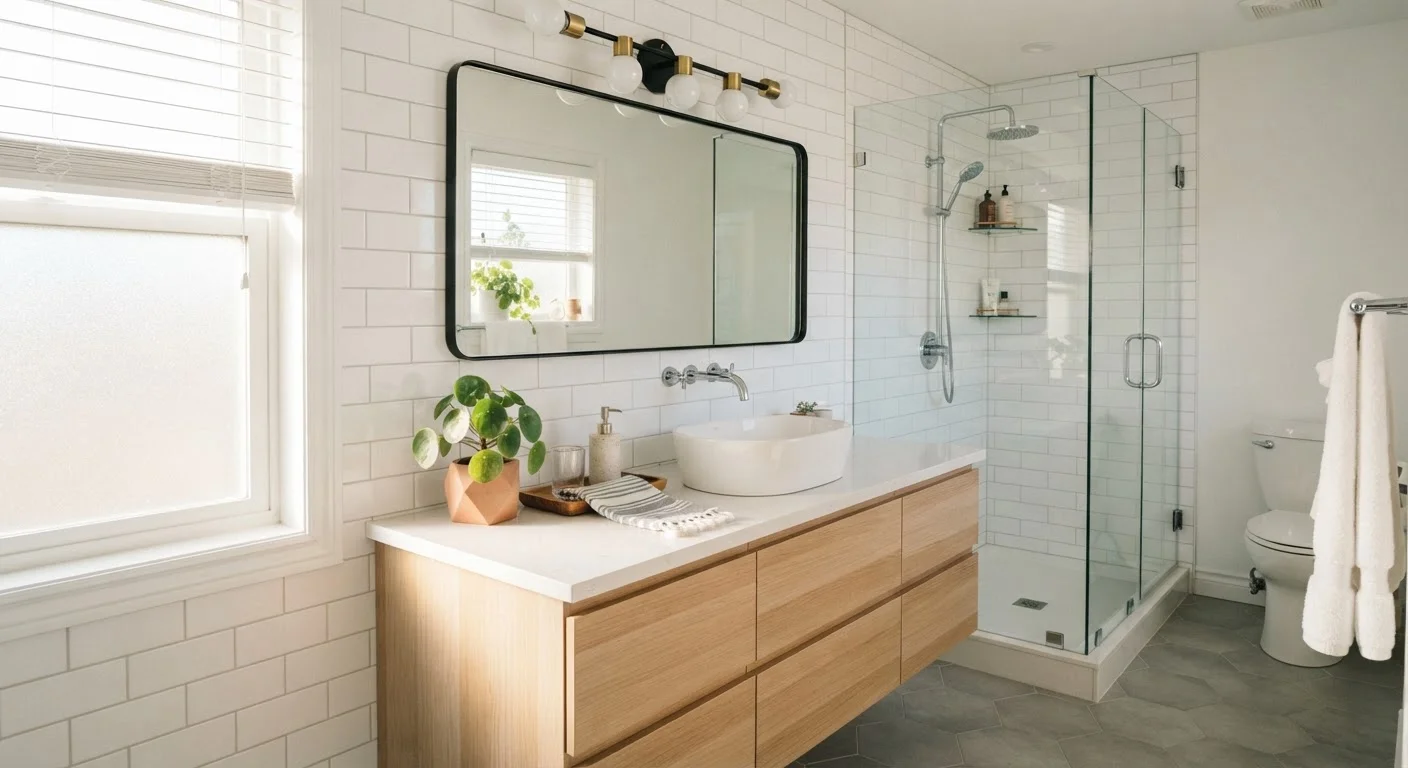
Natural light comes from the sun and changes constantly. Its color temperature shifts from a warm, orange-tinted glow at sunrise and sunset to a cool, blue-white peak at midday. The direction it enters a room also varies by season and compass orientation - a north-facing room receives soft, diffused light all day, while a south-facing room gets intense direct sun for much of it.
Artificial light encompasses every fixture in your home, from recessed ceiling lights to table lamps and under-cabinet strips. Unlike natural light, it stays constant until you change it. Its quality depends on the bulb type and color temperature you choose. For design terminology related to light and space, see our plain-language interior design reference.
Comparing Natural and Artificial Light Across Key Design Criteria
When planning a lighting scheme, it helps to evaluate both sources across the same set of criteria. Neither wins outright - each has distinct strengths and limitations depending on the room and how it's used.
| Natural Light | Artificial Light | |
|---|---|---|
| Consistency | Varies by time, season, and weather | Stable and fully controllable |
| Color accuracy (CRI) | Highest - true color rendering | Varies by bulb; LED can score 90+ CRI |
| Mood and atmosphere | Dynamic, energizing, tied to circadian rhythm | Customizable with dimmers and color temperature |
| Cost to operate | Free; may require window or skylight investment | Ongoing electricity cost; LEDs minimize this |
| Design flexibility | Limited by architecture and orientation | High - fixtures placed anywhere |
| After-dark usefulness | None | Essential |
One practical note on color temperature: bulbs labeled "warm white" typically fall between 2700K and 3000K and suit living rooms and bedrooms, while "cool white" or "daylight" bulbs (4000K-6500K) work better in task-heavy spaces like home offices and kitchens. For a closer look at how this plays out in a specific room, see how lighting transforms the feel of a kitchen.
How to Plan a Lighting Scheme That Uses Both
The most effective approach treats natural and artificial light as partners rather than competitors. Start by observing how sunlight moves through each room at different times of day. Note where shadows fall and which walls receive direct versus indirect light - this tells you where artificial sources need to compensate.
Start With a Light Audit
Before buying any fixtures, spend a full day observing each room at morning, midday, and evening. Note where the room feels dark or harsh at each time. This simple exercise reveals exactly where artificial light needs to fill in for natural light's limitations - and prevents you from over-lighting areas that are already well served by windows.
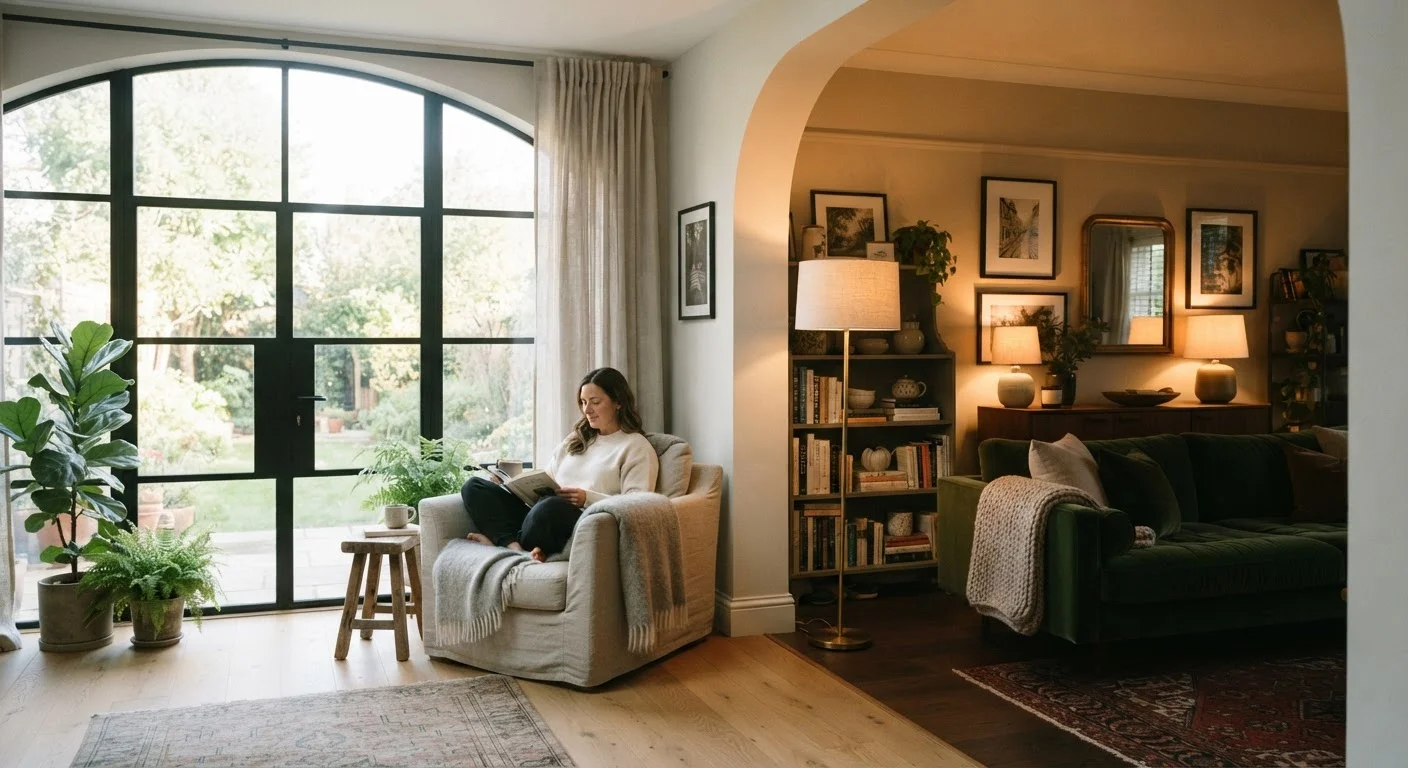
From there, think in layers. Ambient lighting (general overhead illumination) sets the base brightness. Task lighting targets specific work areas. Accent lighting highlights architectural features or décor. Our guide to layering lighting across three levels explains how these layers work together to create rooms that function well at any time of day.
Window treatments play a supporting role too. Sheer curtains diffuse harsh midday sun into soft, flattering light without blocking it entirely. Blackout shades give you control in rooms like bedrooms, where you may want to override natural light completely. If you're incorporating plants near windows to work with natural light, our article on using indoor plants as a design element covers how to position greenery in relation to light sources effectively.
Common Mistakes and What to Watch For
Even well-intentioned lighting plans can fall short. Here are the most frequent missteps to avoid:
- Relying solely on overhead lighting. A single ceiling fixture creates flat, shadowless light that flattens a room's depth. Supplementing with floor and table lamps adds dimension.
- Ignoring how paint colors change under different light. A paint sample that looks gray in natural light may read purple under warm incandescent bulbs. Always view samples under the actual lighting conditions of the room.
- Underestimating glare. South- and west-facing windows can produce harsh glare in the afternoon. Positioning seating and screens perpendicular to windows - rather than facing them directly - reduces this problem.
- Choosing bulb color temperature by habit. Many people default to warm-white bulbs everywhere, but cooler temperatures often serve bathrooms and workspaces better.
Don't Skip Permits for Electrical Work
Adding new light fixtures, especially recessed lighting or ceiling fans with lighting, often requires an electrical permit and inspection under local building codes. Always check your local requirements before beginning any wiring work, and hire a licensed electrician for anything beyond simple bulb or fixture swaps. Unpermitted electrical work can affect your home insurance and create safety hazards.