Start With a Clear Decorating Plan
Budget decorating without a plan almost always leads to wasted money. Before purchasing anything, spend time assessing each room: its dimensions, natural light, how the space is actually used, and what already works. Write it down.
Identify a unifying aesthetic direction - whether that's warm and minimal, eclectic and layered, or clean and contemporary. A consistent direction prevents the scattered, accumulation-over-time look that makes rooms feel chaotic regardless of budget. If you're new to identifying design language, this plain-language interior design reference explains foundational concepts like scale, contrast, and rhythm in everyday terms.
For first-time decorators, this guide to decorating your first home offers a grounded starting framework for deciding where to begin and what to spend on first.
Sketch Your Room Before You Shop
A simple hand-drawn floor plan - even a rough one - helps you identify what a room is actually missing versus what you're simply tempted to buy. Note existing colors, materials, and furniture so new purchases complement rather than compete with what's already there.
Prioritize Where Your Money Goes
Not every item in a room deserves equal investment. Interior designers often use a tiered approach: allocate more budget to structural, high-use pieces - sofas, mattresses, dining tables - and less to decorative accents that can be swapped over time.
Think of it as a spend vs. save hierarchy:
- Spend: Upholstered seating, bed frames, area rugs (they anchor the whole room), and lighting fixtures with strong visual presence.
- Save: Throw pillows, vases, art prints, side tables, and wall decor, where affordable options abound and personal taste changes.
Building a realistic room-by-room budget matters here. If you don't yet have a household budget framework, this personal budgeting guide walks through how to allocate funds across competing priorities.
~40%
Of home decor purchases that go unused
Industry surveys consistently suggest a significant share of decorative items are purchased impulsively and never used or returned, underscoring the value of planning before buying.
3-4×
Value difference: new vs. secondhand furniture
Solid-wood furniture purchased secondhand can sell for a fraction of new retail price while lasting just as long, making resale markets a practical resource for budget decorators.
Use Color, Proportion, and Texture Strategically
Visual richness in a room comes primarily from how color, scale, and texture interact - not from expensive materials. These are free (or nearly free) tools every decorator can use.
Color
A cohesive color palette - typically three to four tones - makes a room feel intentional. Anchor larger pieces in neutral or muted tones so they stay relevant longer, and use bolder color in lower-cost accents like cushions, throws, or art. A single painted wall or ceiling in a deeper tone can completely transform a room for the cost of a can of paint.
Proportion and Scale
Undersized furniture is the most common budget decorating error. An area rug that's too small, for example, makes a room feel disjointed. Measure your space before purchasing and use painter's tape on the floor to visualize furniture footprints. For rooms where scale is tricky, these small-space decorating strategies offer practical layout and proportion guidance.
Texture
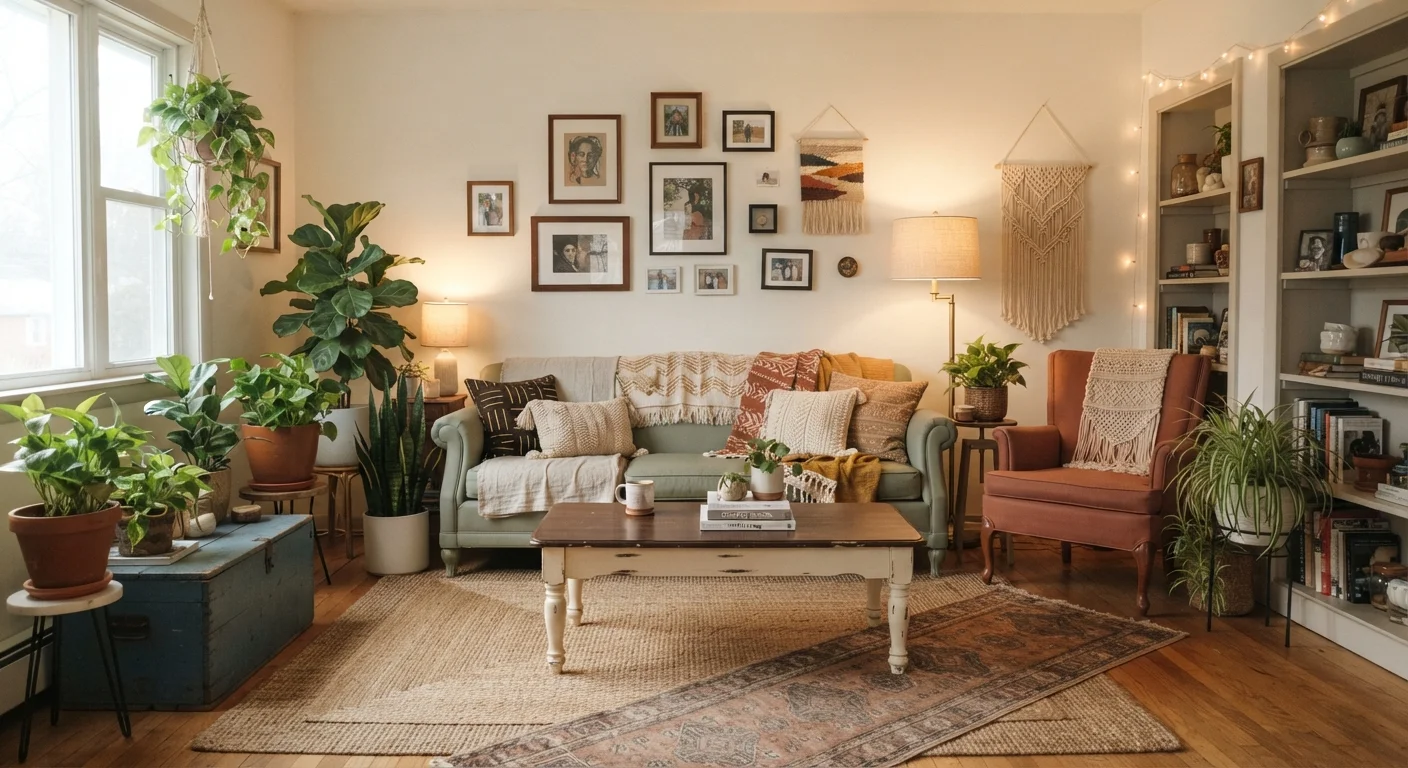
Layering textures - linen, wood, ceramic, jute, velvet - adds depth that reads as luxurious even when individual items are modest in cost. A wool throw over a basic sofa, a woven basket used as storage, a ceramic lamp base: these combinations create warmth that expensive-but-flat rooms often lack.
When layering textures, aim for at least three distinct material types in any seating area - such as a woven throw, a smooth ceramic object, and a natural-fiber rug. The contrast between them creates visual interest that reads as intentional design.
Texture contrast is one of the primary ways professional designers add depth and richness to a room without relying on expensive materials or pattern-heavy fabrics.
Paint your largest wall - or your ceiling - in a tone two shades deeper than your base neutral before deciding you need more furniture. The added depth often resolves the flat, unfinished feeling that drives unnecessary purchases.
Wall and ceiling color significantly affect how furnished a room feels; a thoughtfully chosen deeper tone can make modest furnishings appear more intentional and complete.
Shop Smart Without Chasing Deals
Budget decorating doesn't mean hunting for the lowest price on every item. It means making deliberate choices about where quality matters and where it doesn't.
Consider secondhand and resale sources for solid-wood furniture, ceramic pieces, mirrors, and lighting - items that age well and are easy to evaluate in person. Estate sales, thrift stores, Facebook Marketplace, and local resale apps frequently surface well-made pieces at a fraction of retail cost.
When shopping new, focus on construction over brand name: check drawer joinery, fabric weave density, and frame materials rather than relying on marketing language. For kitchen spaces especially, this kitchen decorating guide covers how to sequence purchases room by room to avoid overlap and waste.
Avoid Impulse Buys Based on Price Alone
A discounted item that doesn't fit your plan, palette, or space will still cost you money - and storage space. Before any purchase, ask whether it earns its place in the room based on function, scale, and visual fit, not just its price point. Accumulating low-cost pieces without a plan is one of the fastest ways to overspend while still ending up with a room that feels unfinished.
Refresh What You Already Have
One of the most underused budget decorating strategies is transforming what you already own. Paint, new hardware, and reupholstery can make existing pieces look entirely new - often for a fraction of replacement cost.
- Cabinet and furniture paint: A dated dresser or dining chair refreshed in a matte or satin finish can look custom. Use a bonding primer for best adhesion.
- Hardware swaps: Replacing drawer pulls, cabinet knobs, or light switch plates is a low-cost, high-impact change that updates the feel of an entire room.
- Reupholstery: Simple seat cushions on dining chairs or a headboard can be recovered with a staple gun and fabric - a beginner-friendly project with significant visual payoff.
- Rearranging layout: Sometimes the issue isn't the furniture itself but its placement. Shifting a sofa, rotating a rug, or moving a lamp to the opposite side of the room can reveal how much potential the existing setup already has.
Use this room-by-room decorating checklist to audit what you already have against what each space actually needs before adding anything new.
“Design is not just what it looks like and feels like. Design is how it works.”
— Steve Jobs, Co-founder of Apple, frequently cited on the relationship between form and function
Avoid the Most Common Budget Decorating Mistakes
Even with good intentions, budget decorating can go sideways in predictable ways. Recognizing these pitfalls ahead of time saves both money and frustration.
- Buying too much, too fast
- Filling a room quickly to avoid living with empty walls often results in a cluttered, incoherent space. Decorating gradually - adding pieces as the right ones appear - usually produces better results.
- Ignoring lighting
- Overhead-only lighting flattens a room visually. Adding floor lamps, table lamps, or inexpensive plug-in sconces creates warmth and dimension that no amount of furniture can compensate for.
- Overlooking cohesion
- A room assembled from individually attractive pieces can still feel disconnected without a common thread - a repeated color, material, or style element. Establish that thread early.
- Underestimating the basics
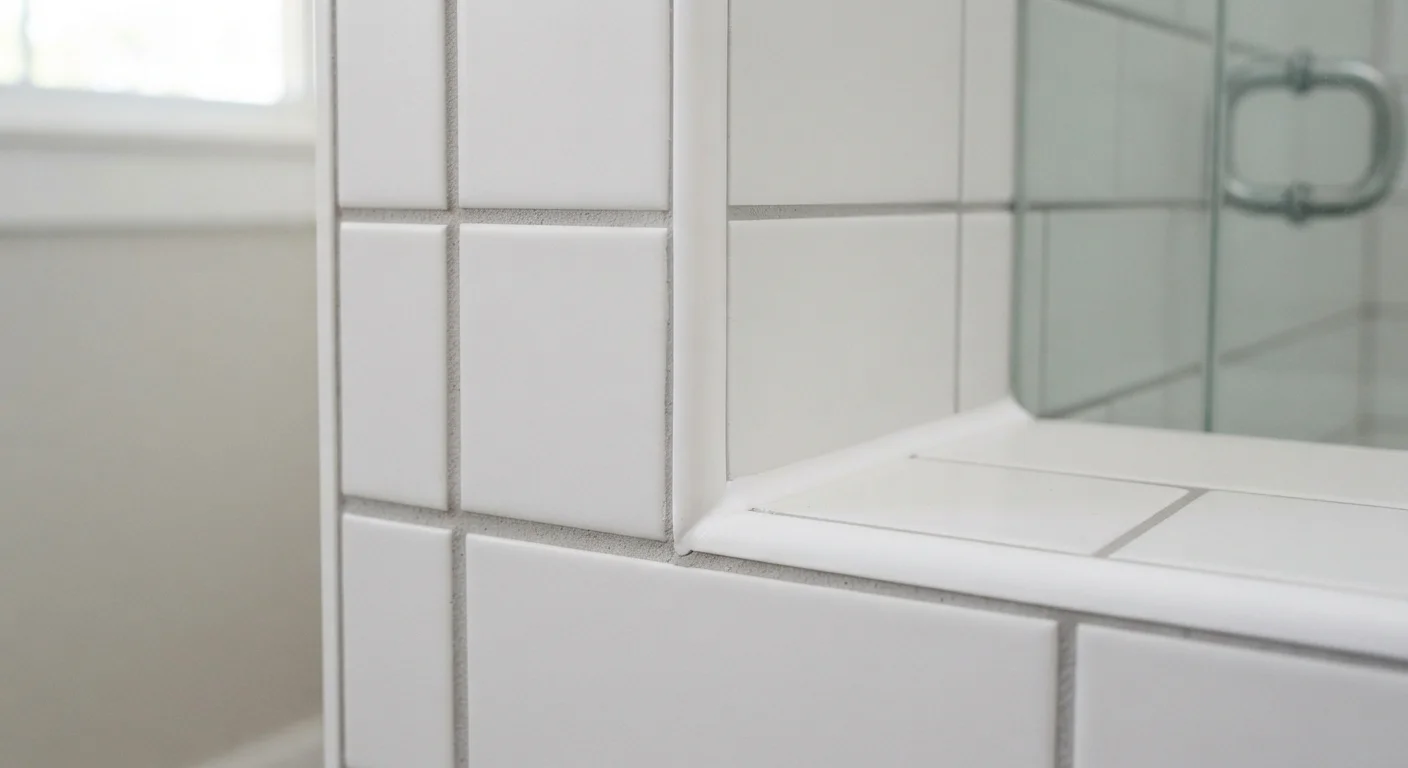
- Clean windows, fresh grout, painted baseboards, and decluttered surfaces are free or very low cost - and do more for a room's appearance than most decorative purchases.
Thoughtful, restrained decorating applied consistently across your home compounds over time. Each well-chosen piece reinforces the others, creating a look that feels curated rather than collected.
Budget Decorating Is an Ongoing Process
A well-decorated home rarely arrives all at once. Most interior designers recommend living in a space for at least a few weeks before making major purchases - you'll develop a much clearer sense of how light moves through the room, which areas feel awkward, and what the space genuinely needs. Patience is itself a budget decorating strategy.