What We Mean by a 'Statement' Backsplash
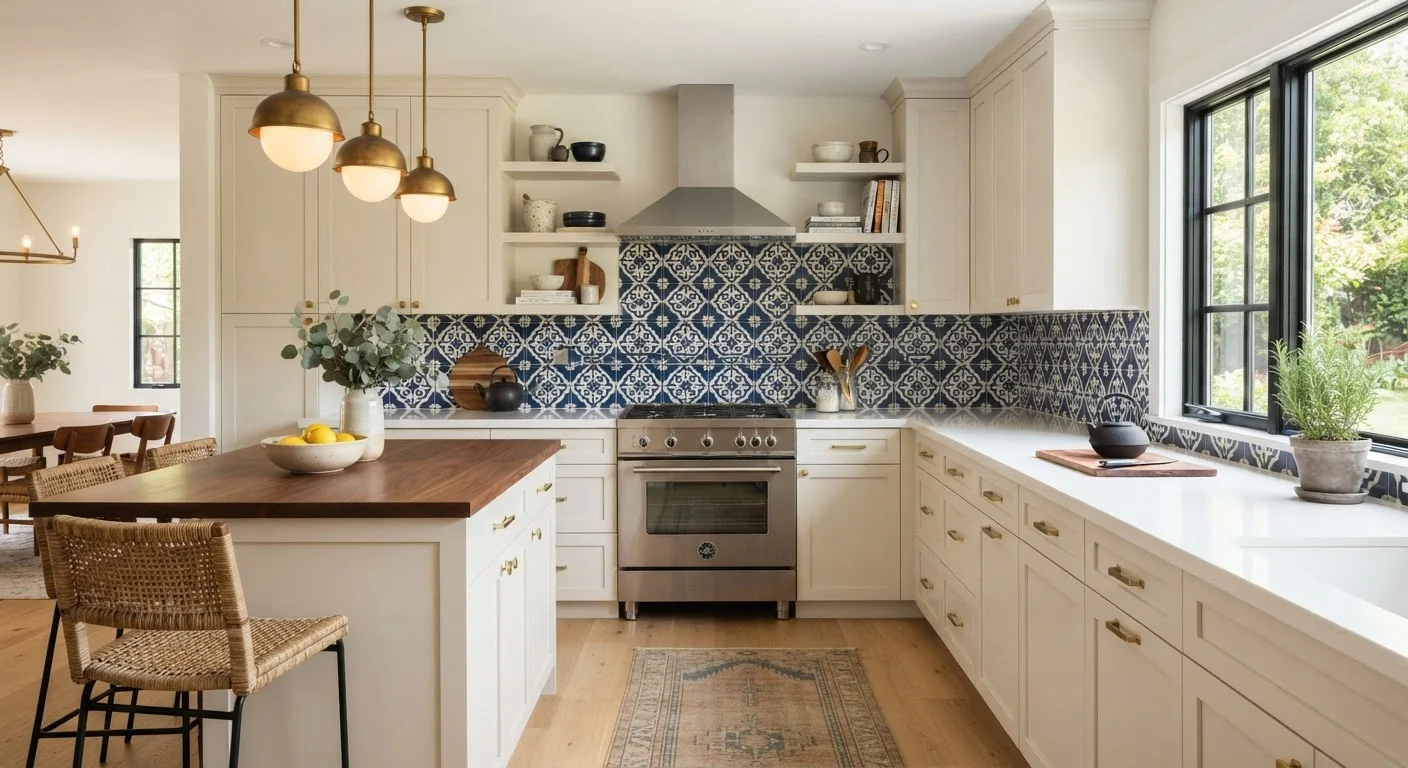
A statement backsplash is any tile installation that functions as a deliberate design feature rather than a background element. This includes large-format tiles in bold colors, intricate mosaic patterns, hand-painted ceramic, zellige (a type of handcrafted Moroccan tile), or dramatic materials like unlacquered brass-framed glass. The key characteristic is that it draws attention rather than receding into the room.
This is different from a simple, functional backsplash - white subway tile, for example - which protects walls without making a strong visual statement. Understanding the distinction matters because the trade-offs discussed here apply specifically to the bolder end of the spectrum. If you're weighing how a backsplash fits into your kitchen's overall visual language, our guide to kitchen cohesion offers useful context.
The Case For a Statement Backsplash
Few single-element upgrades can transform a kitchen's personality as efficiently as a bold backsplash. Because it occupies a vertical surface at eye level - often the largest unbroken visual plane in the room - it sets the tone for everything around it.
Creates a strong visual focal point instantly
A bold backsplash draws the eye and anchors the room in a way that paint or hardware alone rarely achieves. It gives the kitchen a sense of intention and completeness.
Expresses personal style in a functional space
Kitchens are often design afterthoughts, dominated by appliances and cabinetry. A statement backsplash is one of the few places where genuine personality can come through in a durable, structural way.
Reduces reliance on accessories and décor
When the backsplash carries the visual weight, you need fewer decorative objects on counters or shelves - a practical benefit in a space that tends toward clutter.
Tile surfaces are durable and easy to clean
Most statement backsplash materials - ceramic, porcelain, glass - resist moisture, grease, and staining well when properly sealed and grouted. They hold up to daily kitchen use over many years.
Can elevate an otherwise neutral kitchen
If cabinets and countertops are intentionally understated, a statement backsplash adds the layer of interest the room needs without requiring a full renovation.
Beyond aesthetics, there's a functional argument: statement backsplashes in durable materials often outlast trends in durability even when design preferences shift. A well-installed porcelain tile, regardless of pattern, can last decades with routine care.
The Case Against a Statement Backsplash
The very quality that makes a statement backsplash appealing - its visual dominance - is also what makes it a commitment. Because it's so visible and so permanent relative to other finishes, a misstep can affect how the entire kitchen feels for years.
Limits flexibility for future design changes
A backsplash with strong color or pattern can make it harder to update countertops, cabinets, or flooring without clashing. Every subsequent change has to work around the tile you've already committed to.
Removal is costly and labor-intensive
Unlike paint, tile is not easy to undo. Removal typically requires professional labor and can damage the wall surface underneath, adding unexpected cost to any future refresh.
Can feel dated as trends shift
Design movements cycle, and what feels fresh today may read as a specific era in ten years. Bold pattern choices carry more risk of feeling time-stamped than neutral ones.
May complicate resale if taste is niche
While a well-executed statement backsplash can impress buyers, a highly personal or polarizing choice can be a sticking point during a sale. Buyer taste is genuinely unpredictable.
Grout lines require ongoing maintenance
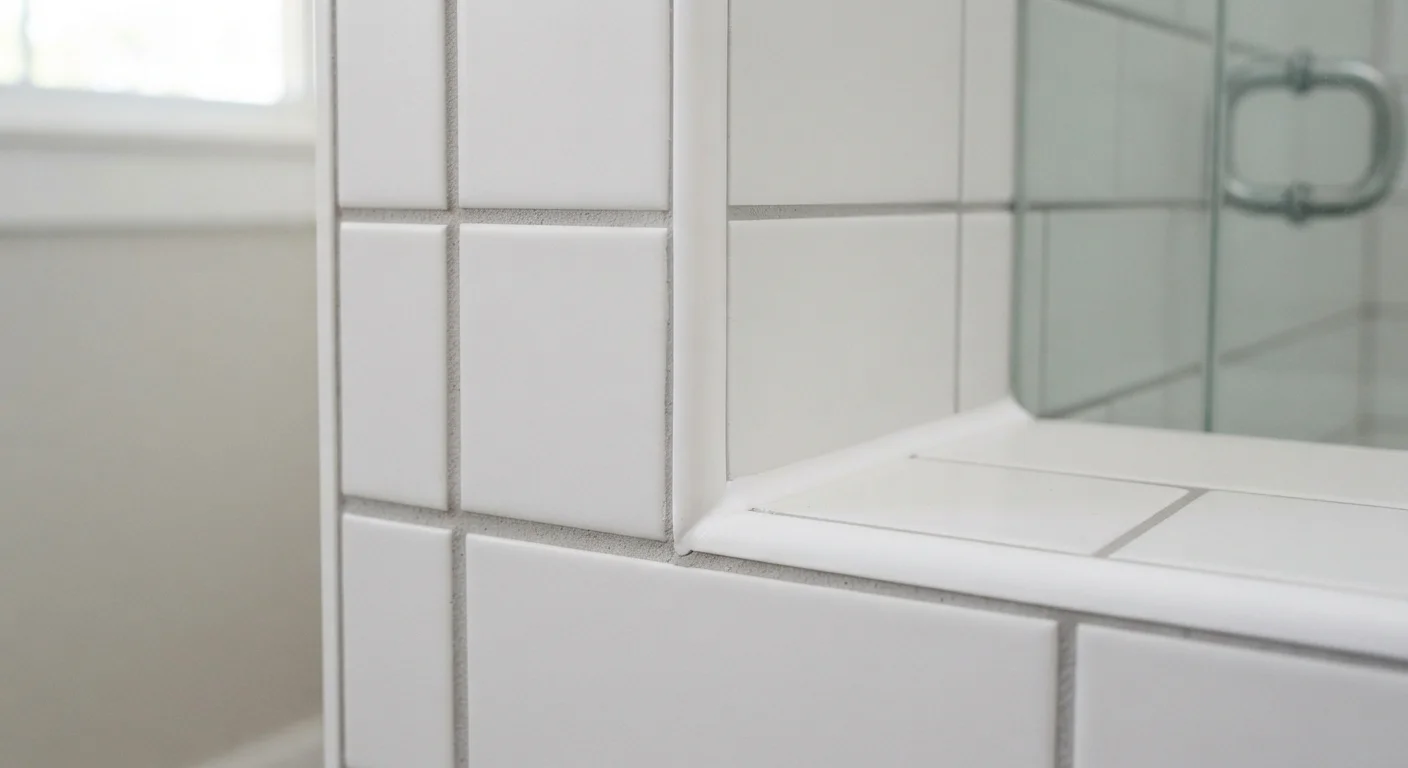
Intricate tile patterns often mean more grout surface area, which can discolor over time in a cooking environment. Regular sealing and cleaning are necessary to keep it looking sharp.
A Note on Grout Color
Grout color is often an afterthought, but it significantly affects how a backsplash reads over time. Contrasting grout emphasizes the tile pattern and can look striking - but it also shows staining more readily in a kitchen environment. Tinted or epoxy grouts tend to resist discoloration better than standard white grout. Whichever direction you go, sealing grout after installation and resealing annually is generally recommended.
Before finalizing any bold backsplash decision, it's worth running through a pre-redecorating checklist to make sure your layout, budget, and lighting all support the direction you're considering.
How to Decide If It's Right for Your Kitchen
The right question isn't whether statement backsplashes are a good idea in general - it's whether they suit your specific situation. A few factors worth honest consideration:
- How settled is your overall style? If your design preferences have been consistent for several years, a bold tile is a lower-risk investment than if you tend to redecorate frequently.
- What do your surrounding finishes look like? A statement backsplash works best when cabinets and countertops are relatively neutral. Competing bold elements can make a kitchen feel chaotic rather than curated. This connects to broader points about common kitchen design myths - including the idea that 'more is more.'
- What is your timeline for staying in the home? If you're planning to sell within a few years, a highly personalized backsplash introduces resale uncertainty. If you're settled long-term, you're the primary audience, which changes the calculus.
~$400-$1,500+
Typical backsplash installation cost range
According to general contractor estimates, tile backsplash installation costs vary widely based on material, pattern complexity, and labor rates in your area.
3-5 days
Estimated tile removal and repair time
Industry professionals generally estimate that tile removal and wall repair in a standard kitchen takes several days, not counting drying time before new materials can be applied.
It's also worth comparing this decision to other structural design choices that carry similar permanence. The trade-off pattern - visual impact versus long-term flexibility - appears in decisions like open shelving versus upper cabinets as well, where aesthetic appeal and practical constraints have to be weighed together.