Why Soft Furnishings Have Such a Strong Effect on Mood
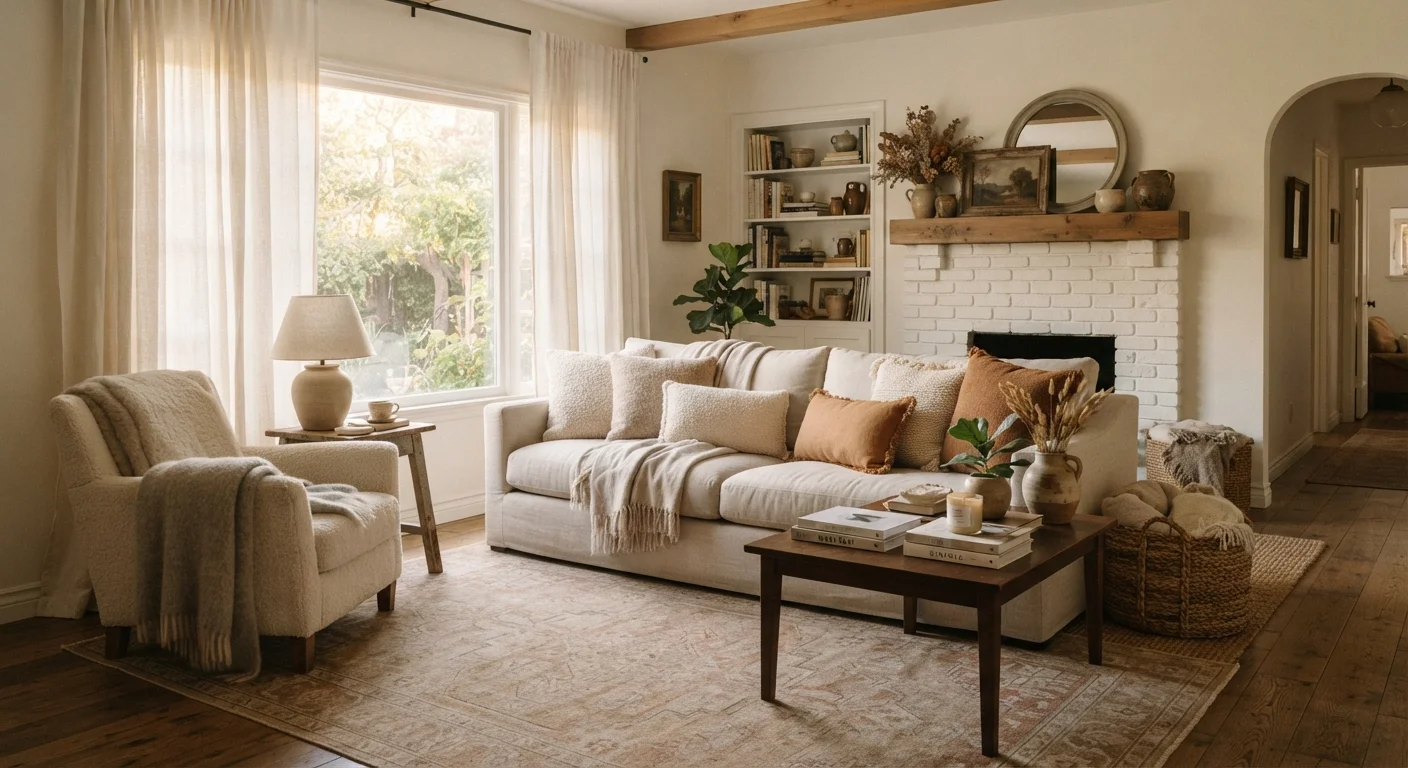
Walk into a room stripped of everything soft - bare floors, uncovered windows, no cushions - and it feels cold, loud, and unwelcoming regardless of how well the furniture is arranged. Now add a rug, hang curtains, and drop a few pillows on the sofa. The room instantly feels inhabited. That shift isn't just aesthetic; it's sensory.
Textiles affect how sound travels (hard floors echo; rugs absorb), how light is filtered (sheer curtains diffuse glare; heavy drapes create intimacy), and how temperature feels (layered fabrics make a room read as warmer, even before the thermostat changes). Interior designers often describe soft furnishings as the "final 20%" that makes the other 80% of a room's investment pay off visually.
This principle connects directly to how lighting works in tandem with textiles. Just as discussed in our article on layering lighting at three levels, layers build on each other - and soft furnishings are the textile equivalent of that approach.
~70%
Acoustic absorption from area rugs on hard floors
Acoustic research generally estimates that soft floor coverings can absorb a significant proportion of mid-frequency sound reflections compared to bare hardwood or tile.
6-12 in
Recommended curtain rod extension beyond window frame
Interior designers widely recommend extending the curtain rod this far past each side of the window to make windows appear larger and admit more light when curtains are open.
24 in
Minimum rug extension beyond dining table edge
This clearance ensures dining chairs remain on the rug even when pulled back from the table, maintaining a grounded, intentional look.
Rugs: Defining Space and Grounding a Room
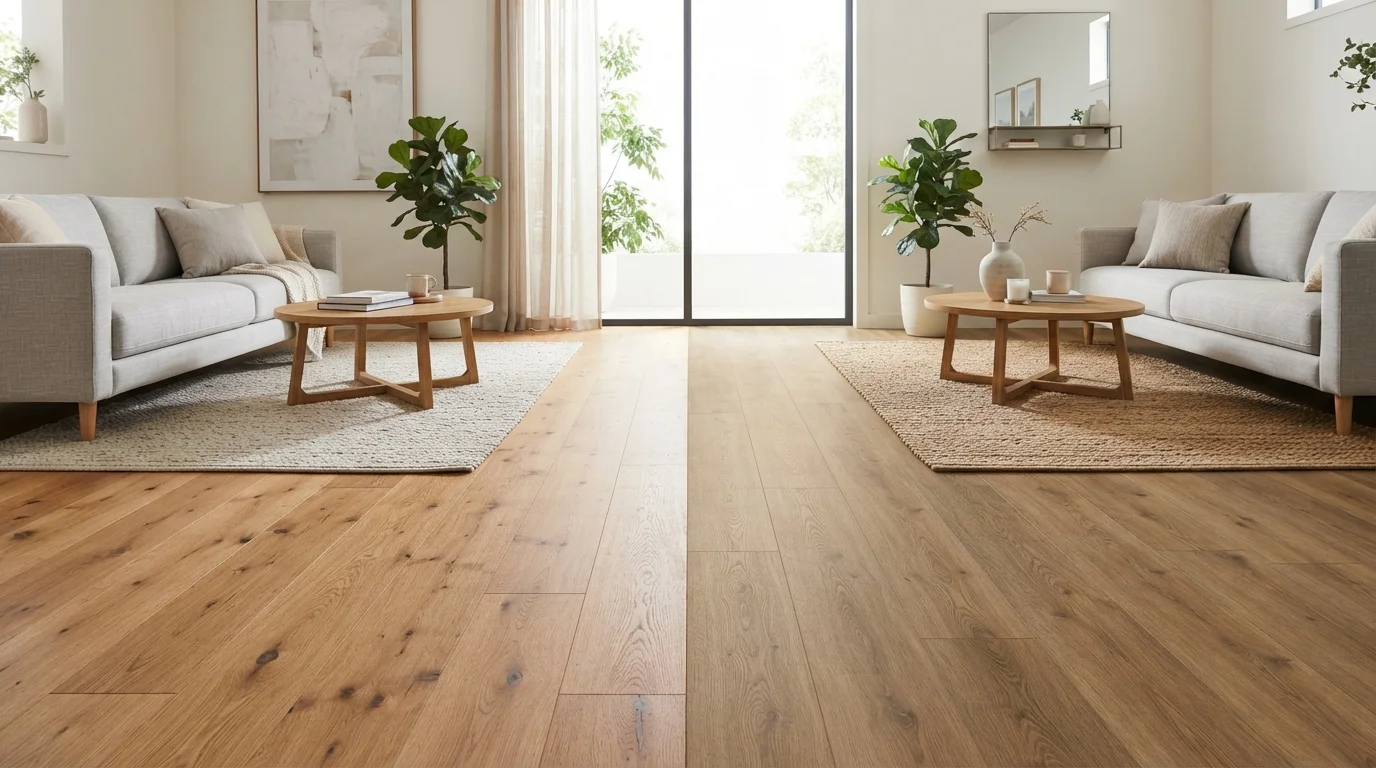
A rug does three jobs simultaneously: it defines a zone within an open-plan space, anchors a furniture grouping so pieces feel intentionally arranged, and adds underfoot comfort and acoustic softness.
Scale is the most important variable. The single most common rug mistake is choosing one that's too small, which makes furniture appear to float disconnectedly. In a living room, aim for a rug large enough that at least the front legs of the sofa and chairs rest on it. In a dining room, the rug should extend at least 24 inches beyond the table on all sides so chairs remain on the rug when pulled out.
Texture choice matters for mood as much as color. A high-pile shag rug reads casual and cozy; a flatweave or sisal reads cleaner and more tailored. Layering a smaller patterned rug over a larger natural-fiber base rug is a popular way to add visual interest without committing to a bold statement piece throughout the whole space.
Use a Rug Pad for Safety and Longevity
A quality rug pad keeps rugs from sliding on hard floors - a genuine safety concern, especially in homes with children or older adults. Pads also extend the life of the rug by reducing friction against the floor and adding cushioning underfoot. Choose a pad rated for your specific floor type (hardwood, tile, or carpet) to avoid adhesive residue or surface damage.
Curtains: Light Control and Perceived Proportion
Curtains are one of the most underestimated tools in decorating. Beyond privacy and light control, they shape how tall and spacious a room feels.
The standard advice - and it holds up - is to hang rods higher than the window frame and extend them wider than the frame on each side. Mounting the rod 4-6 inches below the ceiling and extending 6-12 inches past each side of the window makes windows appear larger, walls appear taller, and light appear more abundant when curtains are open.
Fabric weight shifts the emotional tone dramatically. Heavy velvet or wool drapes create a sense of enclosure and formality. Sheer linen or cotton voile creates airiness and softness. For most everyday living spaces, a middle ground - a medium-weight linen blend or cotton-polyester with a separate blackout liner - gives both visual softness and practical light control.
Keep in mind that curtains interact directly with a room's lighting setup. If you're also revisiting your lighting, our coverage of how lighting transforms a room's feel explores how the two work together, even beyond the kitchen.
Throw Pillows and Blankets: Color, Pattern, and Easy Refresh
If rugs and curtains are the structural layer of soft furnishings, throw pillows and blankets are the expressive layer. They're the easiest element to change seasonally, the least expensive to experiment with, and often the most direct way to introduce personality into a room.
A practical approach is to work in odd numbers and vary sizes. On a standard sofa, two large pillows (around 22-24 inches), two medium pillows (18-20 inches), and one lumbar or accent pillow creates visual depth without clutter. Mixing one solid, one texture, and one pattern - all drawn from the same color palette - is a reliable starting point.
Blankets draped over a sofa arm or the foot of a bed add both texture and implied warmth. Choose materials that contrast with the upholstery: a chunky knit over a smooth linen sofa, or a smooth cotton throw over a velvet chair. For readers working with compact rooms, small-space decorating strategies can help guide which soft furnishing choices keep tight spaces feeling open.
“Texture is what gives a room its sense of richness. Color gets all the attention, but it's the layering of different materials - rough against smooth, matte against sheen - that makes a space feel truly finished.”
— A widely held principle in interior design practice, Foundational concept in textile-based decorating
Layering Textiles: Making It All Work Together
The real skill with soft furnishings isn't choosing any single element well - it's making rugs, curtains, and pillows feel cohesive without being matchy. A room where every textile is the same fabric, color, and texture tends to read as flat. A room where everything clashes reads as chaotic. The goal is intentional contrast within a shared palette.
A useful framework: anchor the palette with the largest element (usually the rug or curtains), introduce a complementary accent color through pillows, and use texture variation to add depth. For example, a neutral jute rug, soft grey linen curtains, and pillows in dusty blue and warm terracotta creates variety that still feels unified.
It's also worth revisiting some common assumptions. Our article on decorating myths that hold homes back addresses misconceptions like avoiding pattern mixing or keeping all neutrals - ideas that can actually limit how dynamic a well-layered room can feel.
For a comprehensive room-by-room approach to pulling all these elements together, the room-by-room decorating checklist offers a practical reference to ensure nothing is overlooked.