Why Smart Home Compatibility Has Been Such a Problem
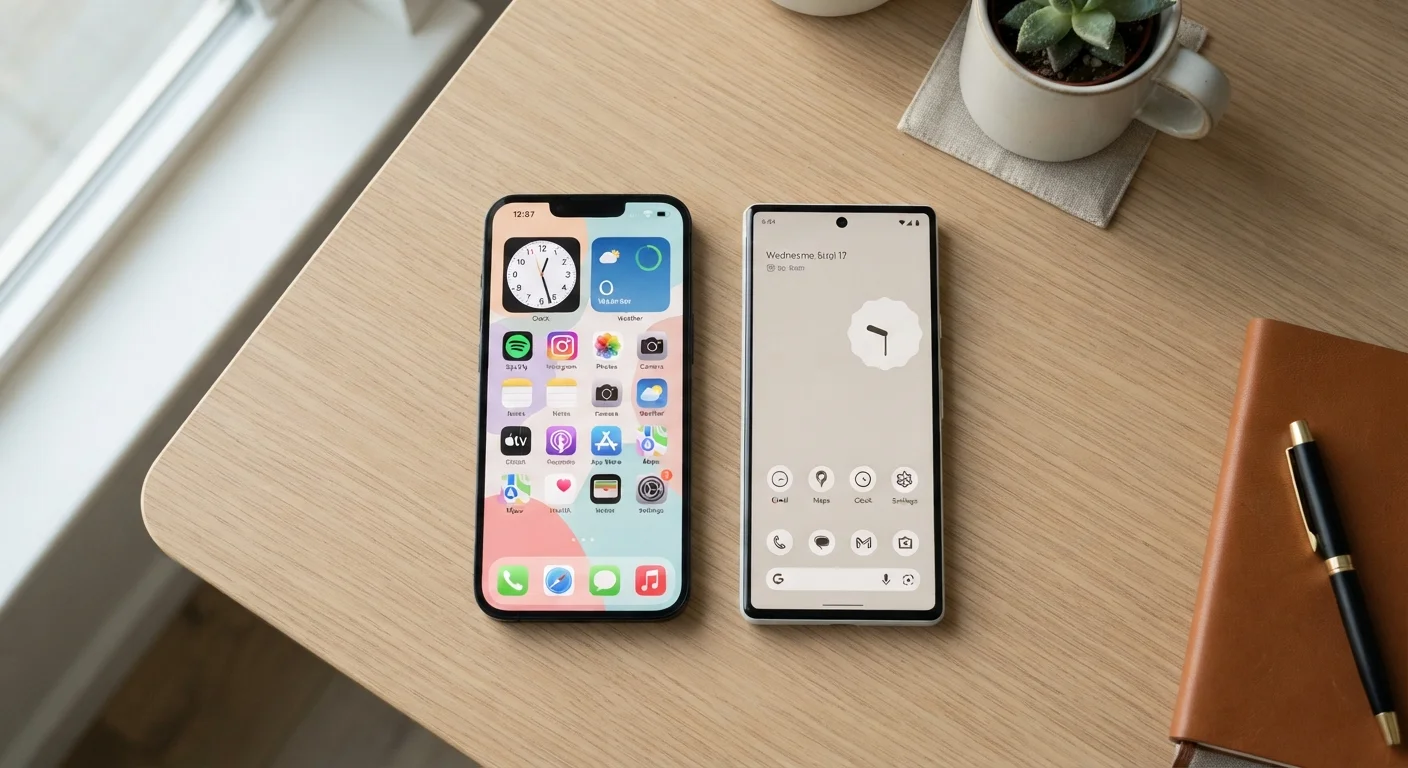
Building a smart home used to mean choosing sides. Devices designed for Amazon's ecosystem frequently didn't talk to Apple's, and products optimized for Google Home could leave gaps when combined with others. Consumers who wanted a mix of brands often ended up with fragmented setups requiring multiple apps, separate hubs, and workarounds that broke with every software update.
This wasn't a technical accident - it was the natural result of competing companies each building proprietary systems intended to keep customers within their own product lines. The result was a frustrating reality for everyday consumers: a smart lock that worked with one voice assistant, a thermostat tied to another, and no clean way to unify them.
For a deeper look at what all these connected devices actually do before diving into how they connect, see our Smart Home 101 guide.
280+
Companies in the Matter alliance
The Connectivity Standards Alliance, which oversees Matter, includes over 280 member companies spanning device makers, platform providers, and chipset manufacturers.
2022
Year Matter 1.0 was released
The first official version of the Matter specification was published in October 2022 after several years of collaborative development across the industry.
What Matter Actually Is - and How It Works
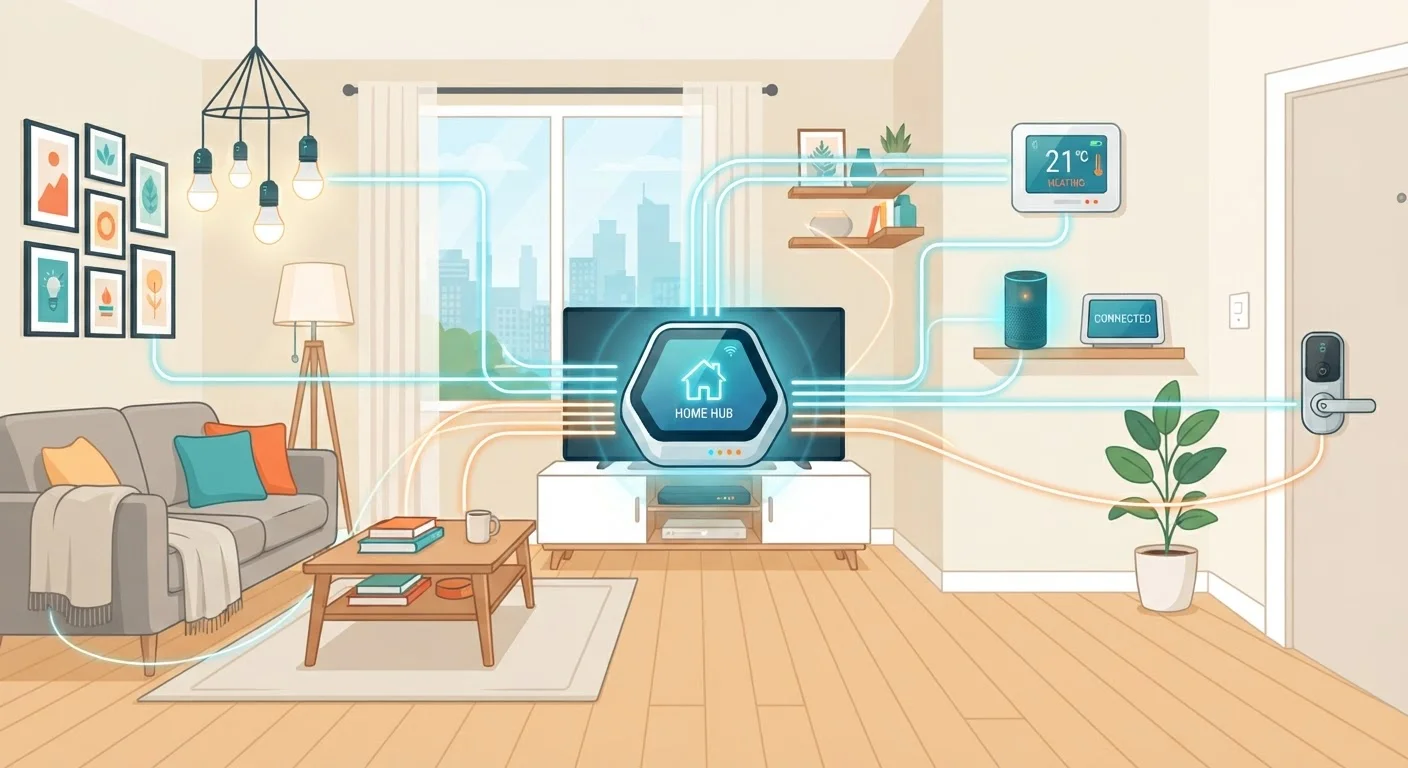
Matter is best understood as a shared rulebook. When device makers certify a product under the Matter standard, they're agreeing that it will communicate using a common protocol that other Matter-compatible platforms can understand. Think of it like USB - a standard that lets devices from completely different manufacturers plug into the same port.
The standard was developed through the Connectivity Standards Alliance (CSA), a consortium that includes Amazon, Apple, Google, Samsung, and hundreds of other companies. Its development drew directly on existing, proven technologies rather than starting from scratch.
At the network level, Matter relies on Wi-Fi for higher-bandwidth devices like cameras and appliances, and Thread for lower-power devices like sensors, door locks, and light switches. Thread is a mesh protocol, meaning devices can relay signals through one another - improving range and reducing dead zones. For Thread to work in a home, at least one Thread border router must be present; many modern smart speakers and hubs already serve this role.
For a fuller explanation of these wireless protocols, our guide on Wi-Fi, Zigbee, Z-Wave, and Thread breaks down the differences clearly.
Check for a Thread Border Router First
If you plan to use Matter devices that rely on Thread - such as sensors or smart locks - confirm that your home already has a Thread border router. Many recent smart home hubs and speakers include this capability, but it's worth verifying before purchasing Thread-dependent devices.
What Changes for Consumers
The most immediate change Matter brings is genuine cross-platform flexibility. A Matter-certified smart bulb, for example, can be set up through an iPhone using Apple HomeKit and simultaneously controlled through an Amazon Echo - without any additional configuration or workarounds. This is possible because of Matter's multi-admin feature, which allows multiple platforms to share control of a single device.
Setup is also simplified. Matter uses Bluetooth Low Energy for the initial pairing process, which means adding a new device typically involves scanning a QR code on the device's packaging, regardless of which platform you're using.
That said, Matter doesn't guarantee a perfectly seamless experience in every scenario. Not all device categories are currently covered by the standard, and the pace at which manufacturers release Matter-compatible products varies. Consumers should also be aware that not all older devices can be updated to support Matter - compatibility depends on the original hardware and whether the manufacturer has issued a firmware update.
For a realistic picture of what can still trip up smart home newcomers even in a post-Matter world, see common pitfalls for new smart home owners.
Building Forward With Matter in Mind
For consumers planning or expanding a smart home, Matter certification is a useful filter - though not the only one. Checking for the Matter logo on packaging helps ensure a device won't be locked out of future platforms you might adopt. It also adds a degree of longevity, since Matter-certified devices are less dependent on any single company's continued ecosystem support.
It's worth noting that Matter is a living standard. The CSA continues to expand the specification to cover additional device categories and use cases over time, meaning the scope of what Matter can do is expected to grow.
If you're planning a connected home from the ground up, our guide on building a smart home that actually works offers practical principles for a reliable setup - and our smart home glossary can help decode the terminology along the way.
“The goal of Matter is straightforward: if a product has the Matter logo, it should just work - regardless of which ecosystem a consumer has already invested in.”
— Connectivity Standards Alliance, Standards body overseeing the Matter specification