Why Smart Home Jargon Can Feel Overwhelming
Shopping for a smart thermostat or a connected doorbell often means wading through a swamp of acronyms and protocol names before you've even added anything to your cart. Terms like Zigbee, Matter, and mesh network are tossed around as if everyone already knows what they mean - and many first-time buyers quietly wonder if they're missing something.
They're not. The vocabulary of smart homes evolved quickly, driven by competing manufacturers and emerging standards, rather than any single plain-language guide written for everyday consumers. The result is an industry that sometimes speaks to engineers rather than homeowners.
This glossary is designed to fix that. Whether you're comparing your first smart bulb or planning a whole-home automation setup, the definitions below give you the foundation you need. For a broader look at what these devices actually do day-to-day, see Smart Home 101: What All Those Connected Devices Actually Do.
Smart Hub
A central device that connects and coordinates multiple smart home gadgets, even those using different wireless protocols. It acts as a translator and command center so your lights, locks, and sensors can work together.
Protocol
The wireless communication standard a device uses to send and receive signals. Common examples include Wi-Fi, Zigbee, Z-Wave, Thread, and Bluetooth. Devices generally need to share a protocol - or use a hub - to communicate.
Zigbee
A low-power, short-range wireless protocol used by many smart bulbs, sensors, and plugs. Zigbee devices form a mesh network, meaning each device helps relay signals to others, improving range and reliability.
Z-Wave
A wireless protocol similar in purpose to Zigbee but operating on a different radio frequency, which reduces interference from Wi-Fi. Z-Wave is commonly used in security systems and smart locks.
Thread
A newer, low-power mesh networking protocol designed specifically for smart home devices. Thread is a key underlying technology in the Matter standard and is noted for its reliability and self-healing mesh capabilities.
Matter
An open connectivity standard backed by major tech companies, designed to let smart devices from different brands work with each other without compatibility barriers. A Matter-certified device should work across supported ecosystems.
Mesh Network
A network architecture where multiple devices act as signal relays, passing data from one to another rather than routing everything through a single point. This creates broader coverage and fewer dead zones.
Ecosystem
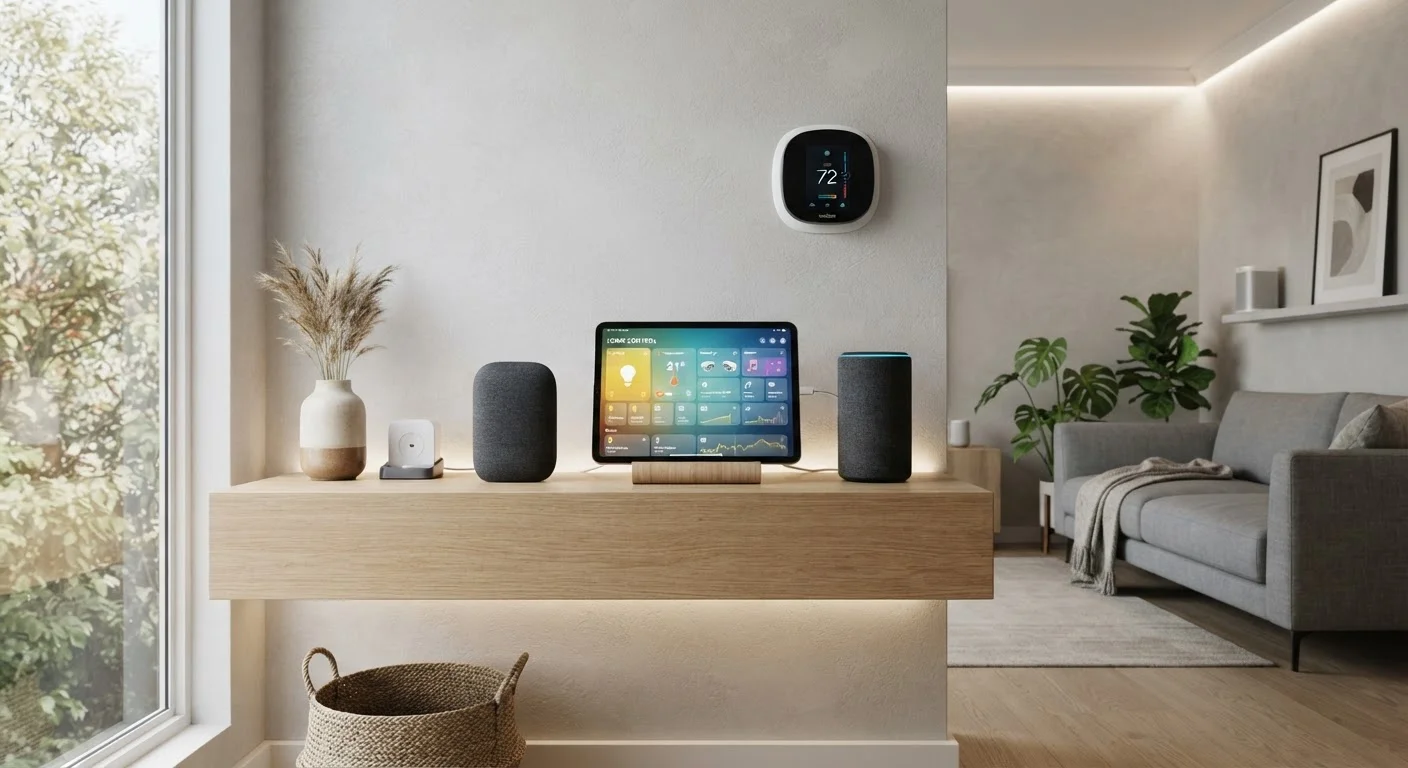
The collection of apps, voice assistants, hubs, and devices tied to a single platform or brand. Devices within the same ecosystem typically integrate seamlessly; mixing ecosystems can require extra setup steps.
Automation / Routine
A pre-set rule that triggers one or more smart devices based on a condition - such as time of day, location, or sensor input. For example: 'Turn on the porch light at sunset.'
Voice Assistant
A software-based assistant activated by spoken commands that can control compatible smart devices. Common voice assistants are built into smart speakers or smartphones and integrate with smart home ecosystems.
Bridge / Gateway
A device that connects smart home products using one protocol (like Zigbee) to your home Wi-Fi router, making them accessible through an app or voice assistant. Sometimes used interchangeably with 'hub,' though technically distinct.
Local vs. Cloud Control
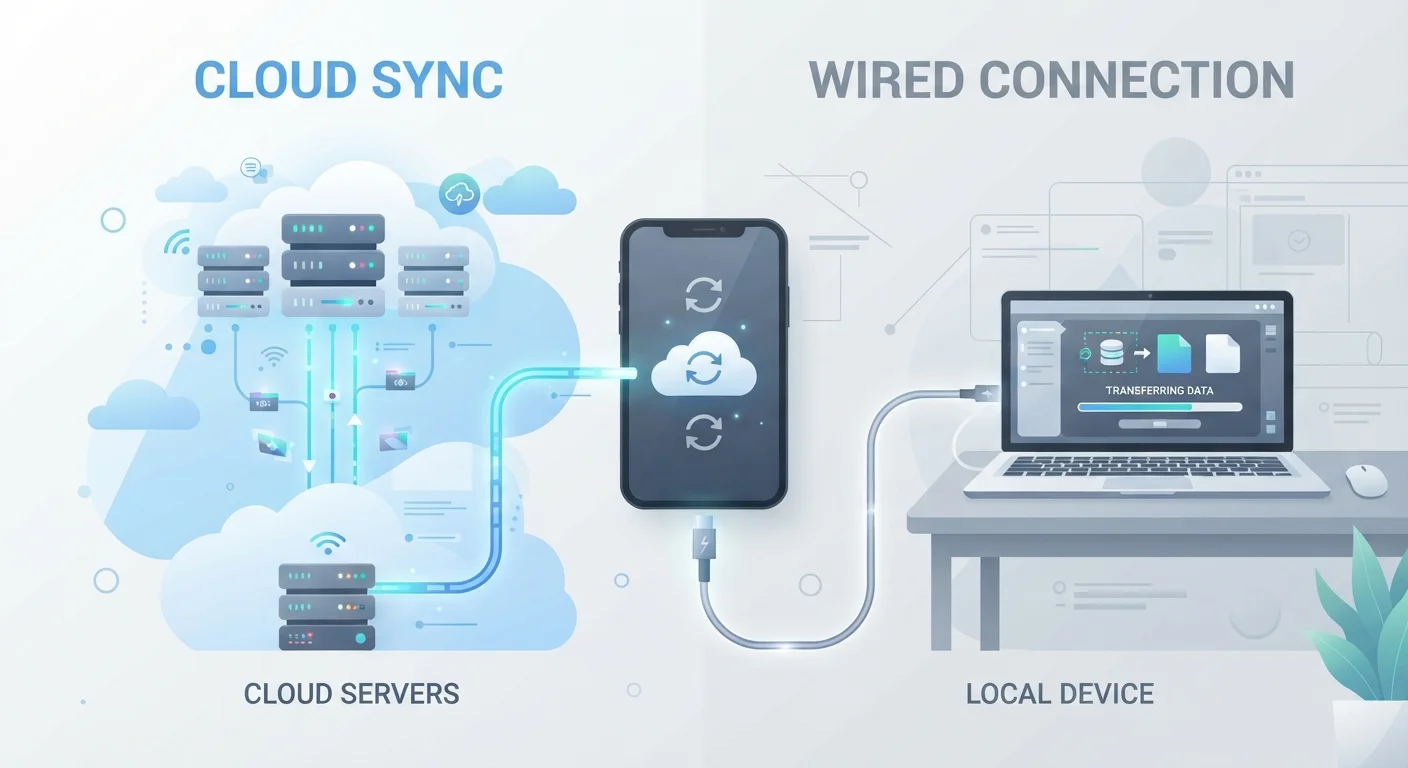
Local control means a device processes commands on your home network without needing an internet connection. Cloud control routes commands through external servers, which can add latency and means the device may stop working if the service is discontinued.
Key Concepts: Connectivity, Protocols, and Ecosystems
Once you've got the vocabulary down, a few broader concepts help tie everything together. Understanding wireless protocols - the communication languages devices use - is probably the most practically useful. Different protocols have different strengths: some prioritize low power consumption, others favor speed or range. For a detailed side-by-side breakdown, Wi-Fi, Zigbee, Z-Wave, and Thread: How Smart Devices Talk to Each Other goes deeper on each one.
The concept of an ecosystem is equally important. Most smart home platforms - like those tied to major voice assistants or smartphone operating systems - work best when you stay within their product family. Mixing ecosystems can create compatibility gaps, which is precisely the problem that newer standards like Matter are designed to solve. Matter: The New Smart Home Standard explains how that cross-brand approach works in practice.
If you're new to all of this, it's also worth knowing that first-time smart home owners often run into the same avoidable surprises - from dead Wi-Fi zones to devices that won't speak to each other. Knowing these terms in advance puts you well ahead of those pitfalls.
| Number of active smart home devices globally | Estimated 1.4 billion+ (Statista, 2023 estimate) |
| Matter standard launch year | 2022 (Connectivity Standards Alliance) |
| Zigbee operating frequency | 2.4 GHz (primary) (Zigbee Alliance specification) |
| Z-Wave operating frequency | ~908 MHz (US) (Z-Wave Alliance specification) |
| Typical smart hub wireless protocols supported | 2-4 (e.g., Zigbee, Z-Wave, Wi-Fi, Thread) (General industry range) |