What Smart Home Tech Actually Promises
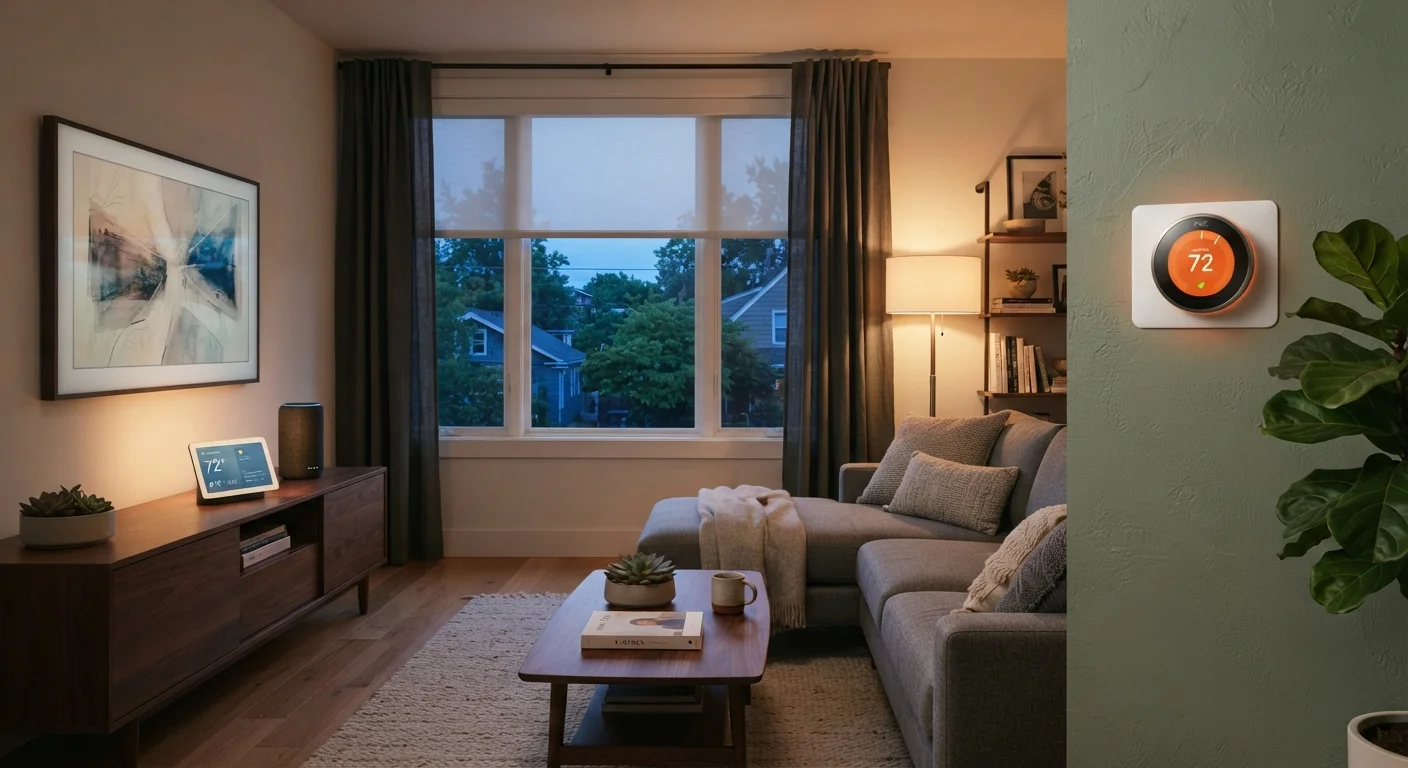
Smart home devices - connected thermostats, locks, lighting, cameras, speakers, and appliances - share a common pitch: more control with less effort. You can adjust your home's temperature from a car, check who's at the door from another state, or set lights to dim automatically at bedtime. For many households, some of those promises hold up.
But the gap between the marketing and the lived experience can be significant. Before investing in connected devices, it's worth understanding both what the technology genuinely delivers and where it consistently falls short. This article covers both sides without pulling punches.
For a deeper look at the surprises that tend to catch people off guard, see what trips up first-time smart home owners.
The Real Advantages
Smart home technology's strongest arguments aren't theoretical - they show up in practical, daily use.
Remote monitoring and control from anywhere
Connected locks, thermostats, and cameras can be managed via smartphone regardless of location, which is genuinely useful for travel, managing service visits, or checking on family members.
Energy usage visibility and potential savings
Smart thermostats and plugs provide detailed data on how and when energy is consumed, helping households identify waste. Actual savings depend heavily on existing habits and local energy rates.
Automation reduces low-value daily decisions
Scheduled lighting, automatic door locking, and routine-based triggers eliminate small but repetitive tasks, freeing attention for more meaningful activities.
Enhanced home security awareness
Video doorbells and indoor cameras provide real-time alerts and recorded footage, offering greater situational awareness without requiring a professional monitoring subscription.
Accessibility support for varied needs
Voice control and automated systems can significantly improve independence for people with limited mobility, visual impairments, or age-related challenges navigating a conventional home.
~35%
US households with at least one smart home device
Estimates from multiple market research sources suggest roughly a third of US households have adopted at least one connected home device, with smart speakers and thermostats leading adoption.
10-15%
Potential heating/cooling savings from smart thermostats
Energy efficiency studies, including data from device manufacturers and independent researchers, suggest smart thermostats can reduce heating and cooling costs by roughly 10-15%, though results vary by home and usage patterns.
Beyond individual device benefits, a well-integrated smart home can also support people who need it most. Voice-activated controls and automated lighting can meaningfully expand independence for older adults or people with mobility challenges. Our companion piece explores what smart home tech can and cannot do for aging in place.
The Real Disadvantages
The trade-offs are genuine and affect most smart home owners to some degree. Understanding them upfront prevents costly regret.
Upfront costs add up faster than expected
Individual devices may seem affordable, but building even a modest smart home - hub, lights, thermostat, locks, cameras - can easily run into several hundred to several thousand dollars before accounting for professional installation.
Ecosystem lock-in limits future flexibility
Devices built for one platform (such as Apple HomeKit or Amazon Alexa) often don't work well - or at all - with competing ecosystems, meaning early choices can constrain what you can add later.
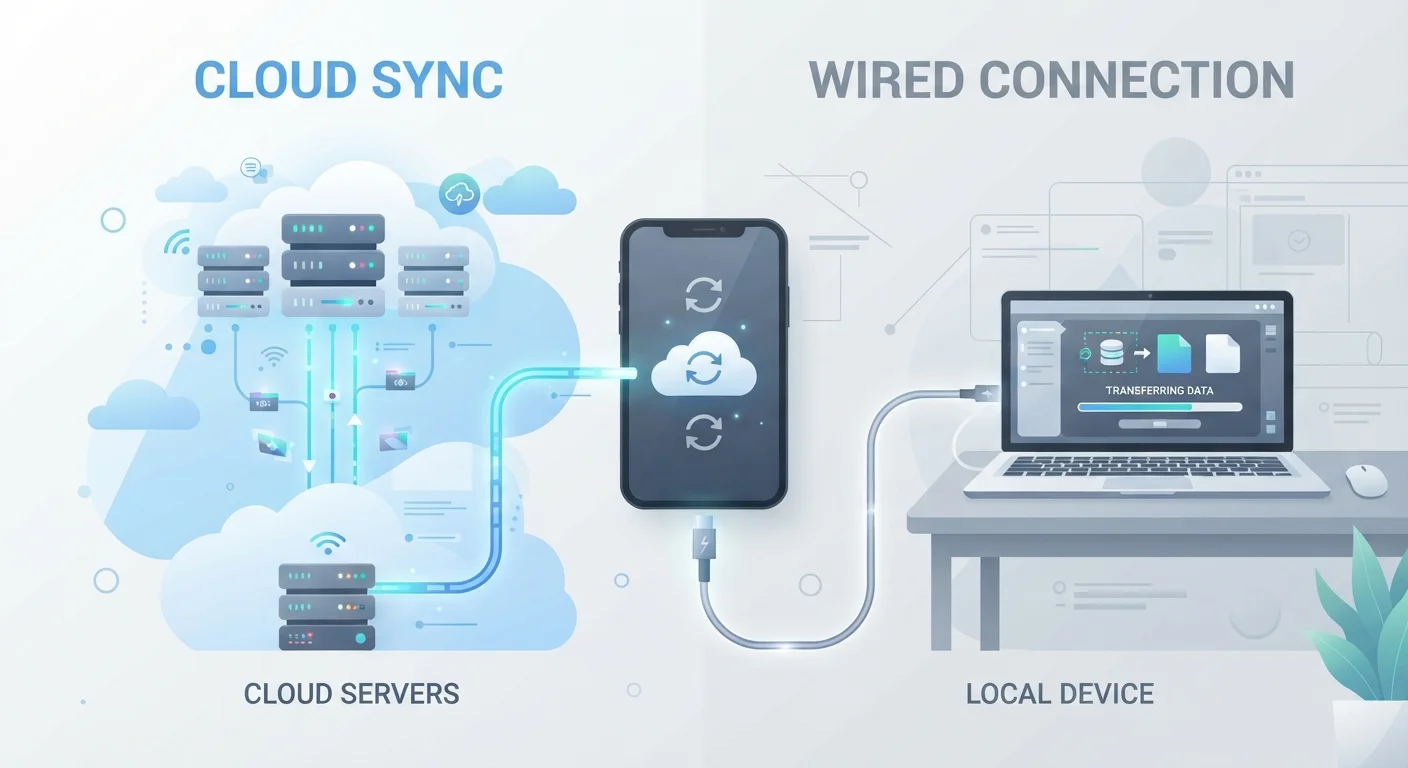
Reliability depends entirely on your internet connection
Most smart devices require a stable Wi-Fi connection to function. An outage or a dead zone in the home can leave devices unresponsive at the moments you need them most.
Privacy exposure is real and ongoing
Connected devices collect usage data, and some microphone- or camera-equipped products have faced documented security vulnerabilities. Understanding a manufacturer's data practices before purchasing is essential.
Devices can be discontinued or lose support
Manufacturers sometimes shut down cloud services or stop issuing security updates for older products, rendering devices non-functional or insecure - with little recourse for the consumer.
Setup and troubleshooting require ongoing effort
Installing, integrating, and maintaining smart devices involves a learning curve. App updates, firmware changes, and Wi-Fi issues mean the setup process rarely ends at first installation.
Device Discontinuation Is a Real Risk
When a smart home company shuts down or drops support for a product line, devices that depended on their cloud services can stop working entirely. This has happened with several notable smart home brands over the past decade. Before investing in a connected device, it's worth checking the manufacturer's track record for long-term software support and whether the device can operate locally - without cloud dependency - if needed.
Privacy deserves particular attention. Many consumers assume the worst - or assume the best - about what their devices collect. The reality is more nuanced. For a grounded look at what's actually happening with your data, see common smart home privacy misconceptions, separated from fact.
How to Approach Smart Home Investment Wisely
The households that get the most from smart home technology tend to share a few habits. They start with one or two high-impact devices rather than automating everything at once. They verify compatibility before buying - ecosystems like Matter, Google Home, Amazon Alexa, and Apple HomeKit don't always play nicely with each other. And they invest in a reliable Wi-Fi network first, since most smart devices depend on consistent connectivity to function as advertised.
Thinking through which rooms and routines matter most to you is a more durable strategy than chasing the newest device. Our guide on building a smart home that actually works walks through those principles in practical detail. If you're also weighing home upgrades more broadly, home improvement tips offer useful context for prioritizing where to put your money.
For those deciding between smart home hubs, it also helps to understand the device-level differences - for example, how smart speakers and smart displays compare as home hubs before committing to one ecosystem anchor.