Why Spec Sheet Jargon Feels So Opaque
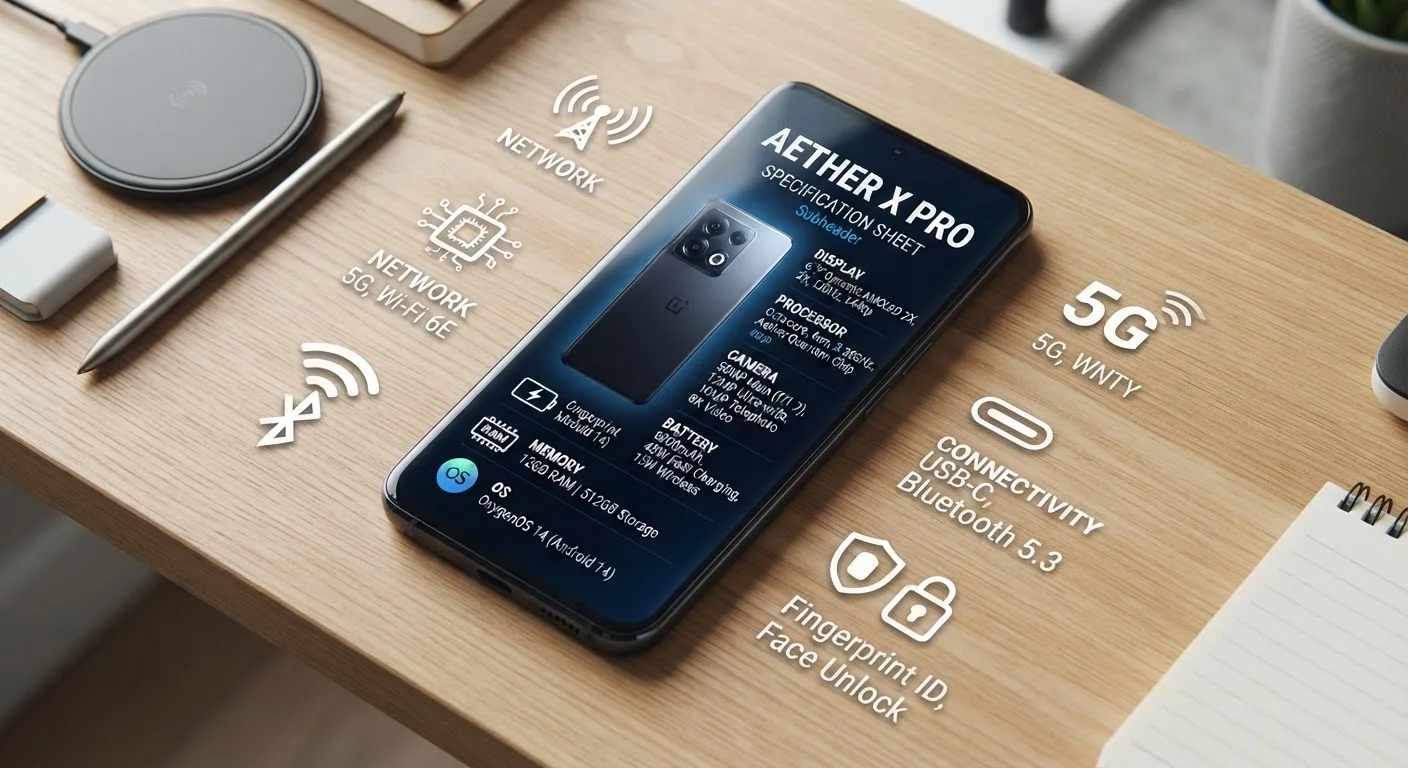
Smartphone listings are dense with abbreviations, numbers, and acronyms that manufacturers rarely explain. Terms like SoC, nits, and UFS appear without context, leaving shoppers to guess what matters. This glossary cuts through that noise - giving you plain definitions for the terms you'll actually encounter, organized so you can look up exactly what you need.
If you're newer to smartphones overall, the beginner's smartphone guide covers the foundational concepts before diving into hardware specifics. For a parallel look at how these same ideas apply to laptops, see the laptop spec sheet decoder.
Specs Don't Tell the Whole Story
Numbers on a spec sheet describe hardware potential, not necessarily real-world experience. Software optimization, thermal management, and build quality all shape how a phone actually performs day to day. Use specs as a starting framework, not the final word.
Performance: Processor, RAM, and Storage Terms
Performance specs describe how fast a phone thinks and how much it can juggle at once.
The SoC is the most important performance component - it determines raw speed, efficiency, and even camera processing capability. RAM determines how many apps stay ready in memory without reloading. UFS storage version affects how quickly apps open and files save. For a deeper look at how RAM and storage numbers translate to everyday experience, see what RAM and storage numbers actually mean.
Display: Brightness, Refresh, and Color Terms
Display specs govern what you see and how smoothly you see it.
| Typical RAM range (mainstream phones) | 6 GB - 12 GB |
| Common refresh rates | 60 Hz, 90 Hz, 120 Hz, 144 Hz |
| Outdoor-readable brightness threshold | ~800-1,000 nits (General industry guideline) |
| IP68 water resistance depth | Up to 1.5 m for 30 minutes (per IEC standard) (IEC 60529) |
| eSIM availability | Supported by most flagship and mid-range phones sold after 2020 |
| 5G band types | Sub-6 GHz (wide coverage) and mmWave (ultra-fast, short range) |
Refresh rate is the term most shoppers notice first - a higher Hz number produces smoother scrolling and animation. Nits measure peak brightness; screens with higher nit counts remain legible in direct sunlight. HDR support determines whether streaming video shows its full intended color and contrast range. Resolution (measured in pixels) describes sharpness, while OLED and LCD refer to the underlying panel technology - OLED screens can turn individual pixels fully off for true blacks, while LCD panels use a backlight throughout.
Camera: Aperture, Stabilization, and Sensor Terms
Camera specs are among the most frequently misrepresented numbers in marketing, so knowing what they mean matters.
Aperture (expressed as an f-number) controls how much light reaches the sensor - a lower f-number is better in low light. OIS physically steadies the camera module to reduce motion blur; EIS (Electronic Image Stabilization) does the same thing in software, with some trade-offs. Megapixel count describes sensor resolution but does not alone determine photo quality - sensor size, lens quality, and software processing all play significant roles. For a full breakdown of in-app camera controls, see what your phone camera settings actually do.
Connectivity and Durability Terms
These specs describe how a phone connects to the world and how well it holds up to real-life use.
120 Hz
Refresh rate found on many mid-range and flagship phones
Widely adopted across the smartphone industry as of the mid-2020s, up from the previous standard of 60 Hz.
IP68
Most common top-tier water resistance rating
Defined by the IEC 60529 standard; indicates dust-tight protection and water resistance at defined depths.
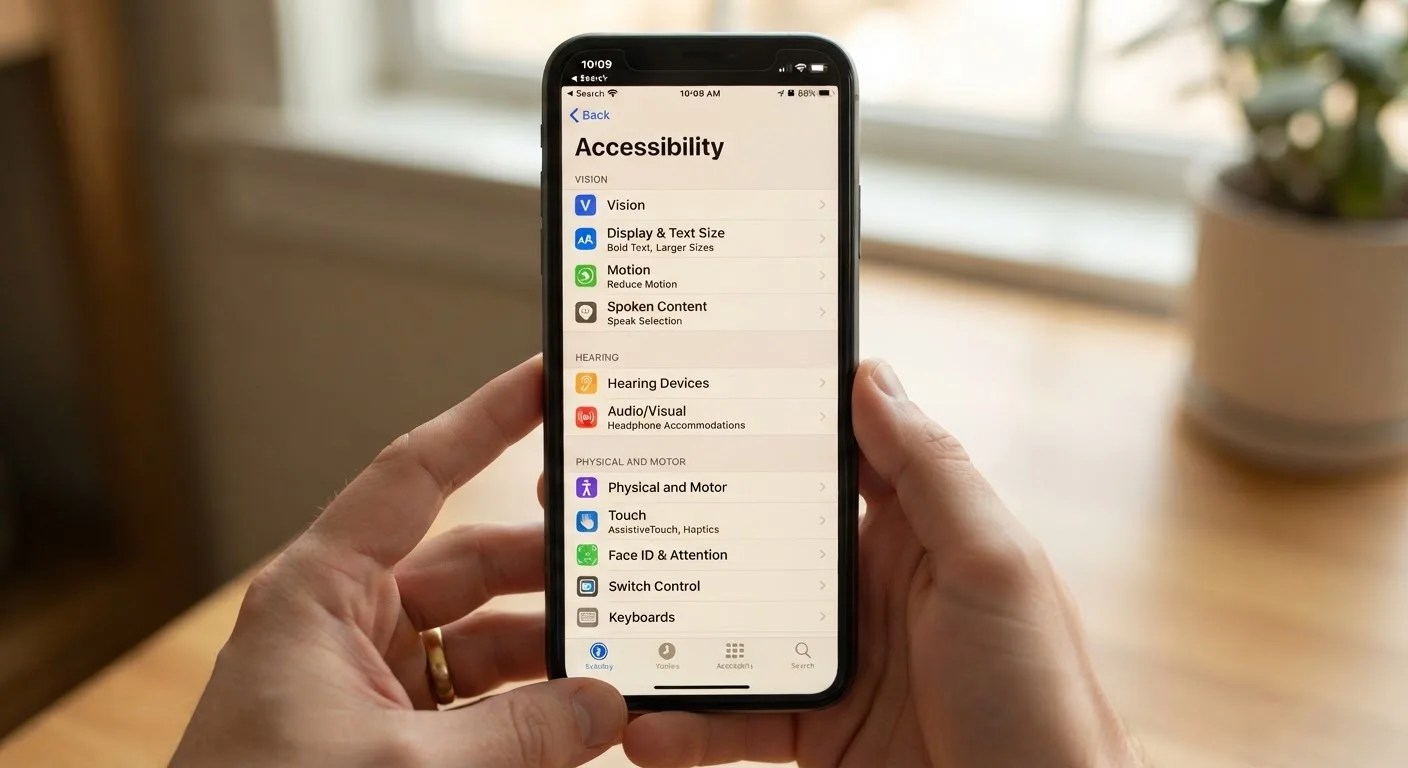
5G Sub-6 is the band most users will encounter daily - it offers solid coverage across cities and rural areas. mmWave 5G delivers peak speeds but is limited to dense, high-infrastructure areas. NFC enables tap-to-pay and quick device pairing. eSIM allows carrier switching without a physical card swap, which is especially useful for travelers. IP ratings tell you a phone's certified resistance to dust and moisture - look for IP67 or IP68 for meaningful water protection. For tech terms used in smart home devices that share some of this connectivity vocabulary, see the smart home glossary. Accessibility-related hardware features - such as display settings and biometric sensors - are covered in depth in accessibility features built into modern smartphones.